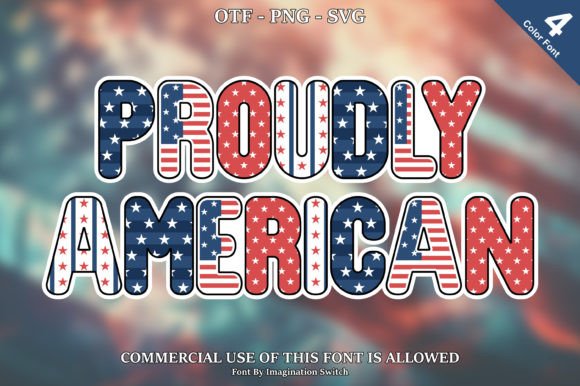
Crafting a Bold Identity with the Proudly American Typeface
There’s a moment in every design project where you realize the standard font just isn’t cutting it. You’re working on a logo for a local brewery, a header for a patriotic blog post, or perhaps a flyer for a summer festival, and you need something that screams "confidence" without shouting. This is where typography becomes the unsung hero of visual communication. A typeface doesn't just spell out words; it sets the tone, evokes emotion, and anchors your brand's personality. If you've been searching for that perfect blend of vibrancy and legibility, a unique option that has been turning heads recently is the Proudly American font family.
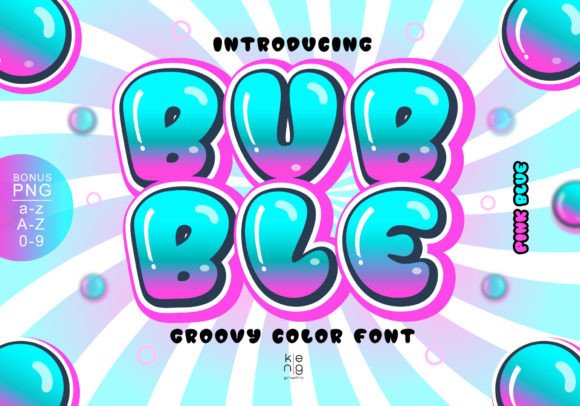
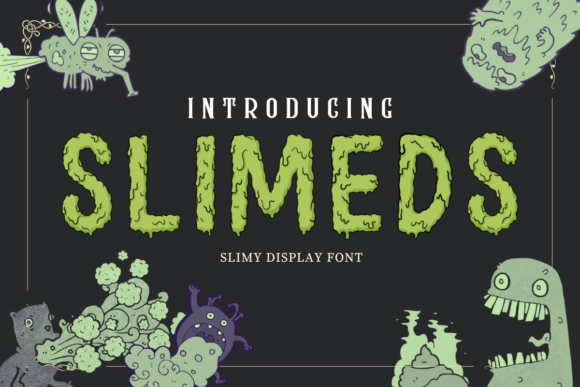
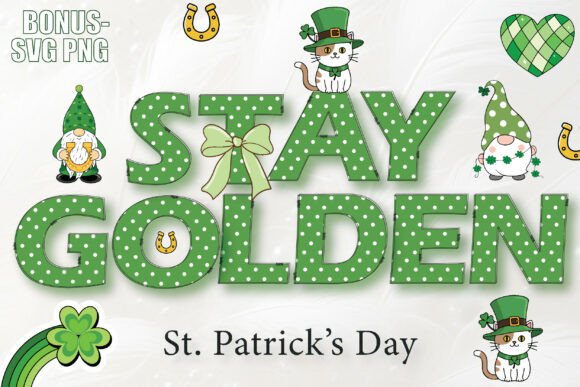
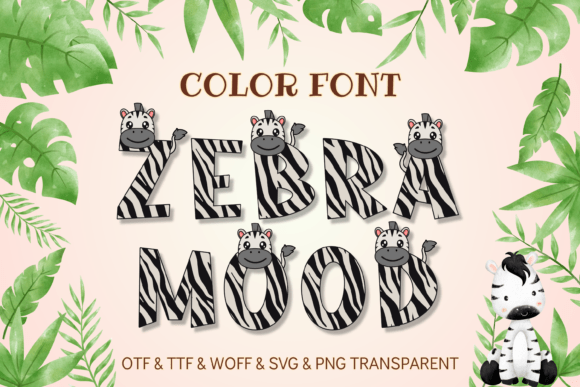
At its core, this is a typographic creation that goes beyond the monotony of black and white text. It is a complete character set—uppercase, lowercase, and numbers—designed with a distinct visual flair. What sets it apart is the use of intriguing colors to enhance its appeal. While many designers are used to adding color manually in post-production, this font comes pre-designed with carefully chosen hues that add a mesmerizing visual touch to every letter and number. It’s a tool built for those who want to introduce uniqueness and creativity to their projects without spending hours on manual gradients or effects.
Understanding the Visual Appeal
When we talk about modern typography, the conversation often drifts toward minimalism. However, there is a massive market for display fonts that prioritize personality. The Proudly American typeface falls firmly into the category of a premium display font, characterized by its bold presence and chromatic capabilities. The design is meticulously crafted to ensure that while the colors are captivating, the structure remains solid.
For designers, the value lies in the details. The letterforms are constructed to maintain excellent legibility, even when used in complex compositions. This isn't just a decorative script font that becomes unreadable at smaller sizes; it is a robust typeface intended for headlines, titles, and focal points. The visual appeal comes from its ability to command attention. In a sea of sans serif fonts and standard serif fonts, a chromatic typeface offers a refreshing break, making your message the focal point of the layout.
Practical Applications for Creatives and Businesses
One of the most common questions designers and business owners ask is about versatility. "Where can I actually use this?" The short answer is: almost anywhere you need to make a statement. However, the specific applications of this font family make it particularly valuable for certain industries and projects.
Brand Identity and Logo Design:
For startups or rebranding projects, a logo needs to be memorable. If your brand values are rooted in energy, creativity, or patriotism, this font provides an immediate visual shorthand. It works exceptionally well for logo design because the color elements can be customized to match your specific brand palette (depending on the software used), ensuring a cohesive identity.
Packaging and Merchandise:
In the world of packaging design, shelf appeal is everything. A product label needs to communicate its value instantly. Using a creative font like this can help a product stand out against competitors using standard typography. It is equally effective for merchandise—think t-shirts, tote bags, and mugs—where the text itself acts as a graphic element.
Digital Assets and Social Media:
Events and Print Materials:
From wedding invitations to community event posters, the font adds a festive and polished look. It’s suitable for flyers, banners, and even editorial layouts where a specific stylistic theme is required.
Technical Considerations and Compatibility
While the aesthetic is important, the technical utility of a design asset determines its real-world value. One of the standout features of this typeface is its dual-format approach, which caters to different workflows.
For those working in the crafting space—specifically with cutting machines like Cricut—the black version of the font is fully compatible with Cricut Design Space. This is a crucial distinction. Crafters often struggle to find premium fonts that cut cleanly on vinyl or cardstock. The standard black version ensures smooth operation for physical product creation.
However, if you are aiming for the full chromatic effect, you will need to use specific design software. The color version of the font is compatible with programs like Adobe Photoshop, Adobe Illustrator, Silhouette Studio, and Inkscape. It is important to note that the OTF/TTF files for the color version generally do not function as colored text within Cricut Design Space; the software treats them as standard black text. Therefore, if your goal is to print a colored design to be cut out, you would design the colored image in Illustrator or Photoshop, save it as a Print Then Cut file, and import it into your cutting software.
This distinction highlights the importance of understanding your file formats. Whether you are using OTF or TTF files, ensuring your software supports color fonts is key to unlocking the full potential of this asset.
Strategic Typography: Matching Fonts to Goals
Choosing a font is a strategic decision, not just an aesthetic one. As a designer or business owner, your typography choices influence how your audience perceives your brand's professionalism and reliability. Here is some practical advice on integrating a bold typeface like this into your workflow.
- Font Pairing is Essential: Because this is a display font with high visual impact, it rarely works well when paired with another complex font. The best practice is to pair it with a clean, neutral sans serif font or a simple serif font for body text. Let the Proudly American font do the heavy lifting for headlines, and use a minimalist font for the smaller details to maintain readability.
- Context Matters: Consider the medium. If you are designing for a website, ensure that the font loads correctly (keeping in mind color font support varies by browser). If it’s for a poster, print a test strip to see how the colors render on paper versus how they look on your screen.
- Commercial Licensing: Before using any font in a commercial project—whether it’s a client’s logo or merchandise you intend to sell—always verify the license. Most premium fonts come with a license that covers commercial use, but the terms can vary. Checking the specific license agreement ensures you are legally protected and respecting the creator's work.
Enhancing Visual Consistency and Engagement
Ultimately, the goal of using a specialized typeface is to enhance your message. Visual consistency builds trust. When a customer sees a well-designed label, a professional-looking social media post, or a cohesive website header, they subconsciously attribute quality to the product or service being offered.
Using a font like Proudly American helps bridge the gap between a generic layout and a professional presentation. It provides a "finished" look that standard system fonts often lack. For entrepreneurs and content creators, this visual polish can be the difference between blending in and standing out. It turns ordinary text into a design element, increasing audience engagement and ensuring that your brand identity is not just seen, but remembered.
Whether you are a seasoned graphic designer looking for a new asset for your toolkit, or a small business owner taking your first steps into DIY design, exploring the capabilities of chromatic and display typography is a worthwhile investment. It reminds us that in the world of design, how you say something is just as important as what you say.