Hi Babe: A Color Font That Brings Warmth to Modern Design
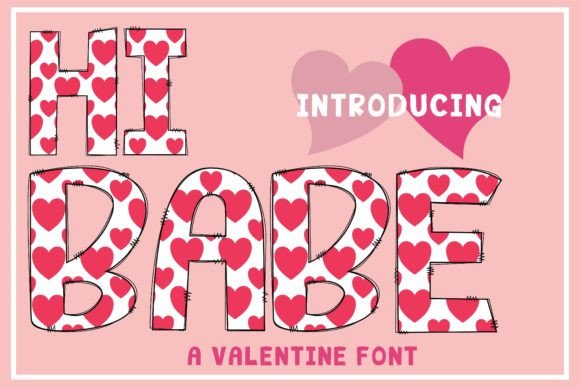
There's a particular feeling you get when a design just clicks—when the typography doesn't just carry a message but actually becomes part of the story. That's the kind of energy Hi Babe brings to the table. It's not just another display font sitting in your library waiting to be forgotten. This is a color font, built with the OpenType-SVG format, meaning the letters themselves carry color, texture, and personality right out of the box. No extra effects, no layering tricks. You type, and the warmth is already there.
What Makes a Color Font Different—and Why It Matters
If you've only ever worked with standard OTF or TTF typefaces, the idea of a color font might feel unfamiliar. Traditional fonts render in a single flat color, which you can change in your design software. A color font like Hi Babe arrives with its own built-in palette and texture. The strokes might have subtle gradients, the curves could carry a hand-painted quality, and the overall feel is richer than what you'd achieve by simply bolding or italicizing standard text.
This matters because visual noise is everywhere. Social feeds scroll at lightning speed. Inboxes overflow. Standing out requires more than clean kerning—it demands personality. Hi Babe delivers that personality in a way that feels approachable rather than overdone. It's playful without being childish, expressive without sacrificing legibility. That balance is harder to find than most people realize.
Where This Typeface Truly Shines
Think about the projects where warmth and approachability are non-negotiable. A bakery's packaging that needs to feel homemade but polished. A lifestyle brand's Instagram stories that should look effortlessly styled. A wedding invitation suite that balances elegance with a personal touch. A blog header that makes readers feel welcome before they've even read a single word.
Hi Babe fits naturally into all of these scenarios. Here are some practical applications worth considering:
- Logo design for boutique brands, cafés, studios, and personal brands that want to feel human rather than corporate
- Social media graphics where you need a headline or callout that stops the scroll without relying on stock imagery
- Packaging design for small-batch products, subscription boxes, or artisan goods where the visual language needs to match the craftsmanship
- Website headers and hero sections that set the tone immediately upon landing
- Blog post graphics and Pinterest pins where typography does the heavy lifting
- Print materials like business cards, thank-you notes, and promotional flyers
- Invitations and event collateral for weddings, launches, pop-ups, and workshops
- Merchandise including tote bags, mugs, stickers, and apparel where a single word or phrase carries the design
- Digital products like e-book covers, course thumbnails, and lead magnet designs
- Editorial layouts and magazine-style spreads where display typography needs character
Building a Brand Identity Around the Right Typography
Choosing a typeface for a brand isn't a surface-level decision. It's foundational. The fonts you select communicate tone, values, and audience alignment before a single sentence is read. A brand that uses Hi Babe in its primary visual identity is making a deliberate statement: we're warm, we're creative, we don't take ourselves too seriously, and we care about the details.
That said, no single font should carry an entire brand system alone. Hi Babe works beautifully as a display or accent typeface—think headlines, hero text, pull quotes, and feature callouts. Pair it with a clean sans serif for body copy and a simple serif for secondary text, and you've got a typographic hierarchy that feels cohesive without being monotonous.
Testing font pairings is where the real magic happens. Try setting your brand name in Hi Babe, then layer your tagline in a geometric sans serif below it. See how the contrast creates visual interest while maintaining readability. That interplay between expressive and functional typography is what separates amateur layouts from professional ones.
Compatibility and Practical Considerations
Before diving into any project, it's worth understanding the technical side. Hi Babe is an OpenType-SVG color font, which means it's compatible with Photoshop, Illustrator, Silhouette, and Inkscape. These applications support the color font format natively, so you can use it just like any other typeface—select it from your font menu, type your text, and the color rendering happens automatically.
One important note: the OTF and TTF files included with Hi Babe are not compatible with Cricut machines. If you're a crafter who relies on Cricut for cutting projects, you'll want to keep this in mind. For more detailed guidance on working with color fonts across different platforms, checking the Ultimate Font Guide is a smart move before starting your project.
Readability is always worth testing in context. A display font like Hi Babe is designed for short-form text—headlines, titles, single words, and short phrases. Setting a full paragraph in any decorative typeface typically creates visual fatigue. Use it strategically where impact matters most, and let your supporting typefaces handle the longer reading.
Small Details That Make a Big Difference
What separates a good design from a memorable one often comes down to the small choices. The weight of a headline. The spacing between letters. The color of a single word on an otherwise minimal layout. Hi Babe gives you a tool that handles the personality side of those decisions with confidence. You're not starting from scratch, hoping to add enough effects to make flat text look interesting. The character is baked in.
For content creators and marketers, this translates to efficiency. You spend less time fussing over text effects and more time focusing on messaging, strategy, and the other pieces of the puzzle that actually move the needle. A font that looks good immediately—without extensive customization—saves hours over the course of a campaign or product launch.
For small business owners and entrepreneurs, it translates to professionalism. Not every brand can hire a full design team for every asset. Having a premium font in your toolkit that consistently delivers polished results across different applications levels the playing field. Your Instagram graphics look as intentional as your packaging. Your website header feels as considered as your print materials. That kind of visual consistency builds recognition over time, and recognition builds trust.
Making It Your Own
The best design assets are the ones that adapt to your vision rather than forcing you into theirs. Hi Babe has enough personality to make an immediate impression but enough versatility to work across different color palettes, layouts, and brand voices. Experiment with it. Try it on a dark background. Layer it over photography. Use it as a single accent word in an otherwise clean layout. See where it takes your project.
Good typography doesn't announce itself—it simply makes everything around it feel more intentional. That's the real value of a font like Hi Babe. It doesn't just decorate your designs. It gives them a voice that people actually want to listen to.