Tomahawk Camo: The Bold Military Font for Standout Designs
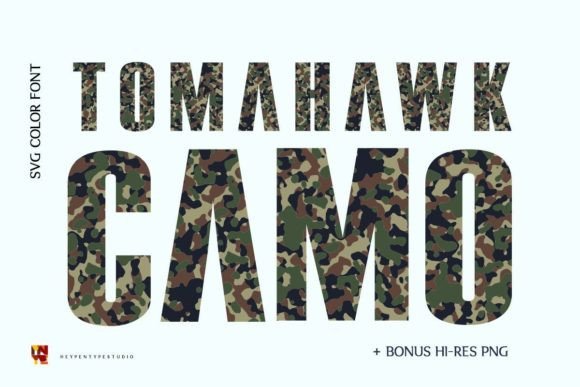
Imagine a font that doesn’t just sit on the page but makes a statement. Tomahawk Camo is that kind of typeface. It’s a bold, military camouflage color font that immediately injects a sense of rugged strength and outdoor character into any project. With its distinctive green forest pattern, this isn’t your average text—it’s a design element in itself. For creators looking to break away from standard fonts and give their work a unique, commanding presence, this typeface offers a direct route to visual impact.
More Than Letters: Understanding the Visual Power of Camo Typography
At its core, Tomahawk Camo is an OpenType-SVG color font. This means the letters aren’t just filled with a solid color; they contain a detailed, realistic camouflage pattern. The green forest design is woven into each glyph, giving the text a textured, almost three-dimensional quality that flat fonts can’t achieve. It’s a premium font designed for display purposes, where the goal is to capture attention and convey a specific mood. Think of it as a creative font that bridges the gap between typography and illustration.
The visual appeal is immediate. It evokes themes of the great outdoors, adventure, military precision, and resilience. This makes it incredibly effective for brands and projects that align with these ideas. However, its utility extends far beyond literal army themes. The pattern’s complexity and boldness can add a layer of texture and interest to designs that simply need to feel strong, grounded, and unique. It’s a typeface that does heavy lifting in establishing a mood, often before the viewer even reads the words.
Practical Applications: Where This Military Font Truly Shines
Knowing a font looks cool is one thing; knowing how to use it effectively is another. The true value of a design asset like Tomahawk Camo lies in its application. Its bold nature means it’s best suited for headlines, logos, and short bursts of text where visual impact trumps long-form readability. Here’s where it can transform your projects:
- Branding & Logo Design: For brands in outdoor gear, tactical equipment, adventure sports, or even rugged lifestyle apparel, this font can become the cornerstone of a visual identity. A logo set in Tomahawk Camo instantly communicates strength and authenticity. It’s a powerful way to build brand recognition for a specific niche audience.
- Packaging & Merchandise: Product packaging needs to stand out on a crowded shelf or webpage. Using this camo font for product names or key labels on boxes, bags, or hang tags can create a strong shelf presence. It’s equally effective on merchandise like t-shirts, hats, and stickers, where the design itself is the product.
- Marketing & Social Media Graphics: In the fast-scroll world of social media, a bold display font is your best friend. Use Tomahawk Camo for Instagram post headers, YouTube video thumbnails, or Facebook ad headlines to stop the scroll. It brings an energetic, professional presentation to digital marketing assets that need to perform.
- Posters, Invitations & Editorial Layouts: Event posters for outdoor festivals, paintball tournaments, or survivalist courses gain immediate thematic clarity. Similarly, a unique birthday invitation for a camping-themed party or a rugged editorial layout for a magazine feature on wilderness survival can leverage this font for dramatic effect.
- Web Design & Blogs: While not for body text, it can be a stunning choice for a blog’s main title, category headers, or pull quotes. For a website with an adventure or outdoor focus, using it strategically in key areas can tie the entire digital experience together, enhancing audience engagement through cohesive theming.
Making It Work: Practical Advice for Using a Patterned Font
Integrating a specialty font like this into your workflow requires a bit of strategy to ensure it enhances rather than overwhelms. The key is to treat it as a headline or accent font. Its detailed pattern means it’s not designed for small sizes or lengthy paragraphs where readability is paramount.
Font Pairing is Crucial. The boldness of Tomahawk Camo pairs best with clean, simple sans serif or serif fonts for supporting text. Imagine a bold camo headline followed by a clean, modern sans serif for the body copy. This contrast creates a professional hierarchy and ensures your message remains clear. Avoid pairing it with other ornate or script fonts, as this can create visual chaos.
Consider the Color Palette. While the font has its own green pattern, the colors you surround it with matter. It often looks best against neutral backgrounds—think black, white, beige, or dark grey—that let the camo pattern take center stage. You can also pull colors from the font’s own palette (like olive drab, brown, or forest green) for other design elements to create visual consistency.
Always Check Compatibility. This is a critical, practical step. As an OpenType-SVG color font, it has specific software requirements. It works seamlessly with professional design applications like Adobe Photoshop, Adobe Illustrator, Silhouette Studio, and Inkscape. However, it’s important to note that the OTF and TTF files are not compatible with Cricut machines. Always review the included files and, if needed, consult the provided Ultimate Font Guide to ensure your design tools support this type of advanced font format.
Test for Your Specific Use. Before finalizing a design, test the font in its intended environment. How does it look on a mockup of a t-shirt? Does the pattern remain clear when scaled down for a website favicon? Does it print well on your chosen packaging material? A quick test can save you from costly revisions later.
Beyond the Pattern: Building a Cohesive Visual Identity
Ultimately, a font like Tomahawk Camo is a tool for visual communication. It’s a commercial font that, when used thoughtfully, can significantly strengthen a brand’s identity. It helps a business or creator tell a story at a glance—whether that story is about adventure, resilience, or simply a bold aesthetic choice. In a world saturated with generic design, having a distinctive typeface in your toolkit is a strategic advantage.
The goal isn’t to use it everywhere, but to use it where it will have the most impact. By understanding its personality, respecting its technical needs, and pairing it wisely, you can leverage this creative font to produce work that feels both professional and powerfully unique. It’s about adding a strategic asset to your design arsenal that can help you connect with your audience on a more visceral level.