Understanding the Caution Line Font: A Guide for Creatives
There's a specific kind of design challenge that calls for a voice that's both expressive and unmistakably creative. When a project needs to feel personal, energetic, or youthful, the standard corporate typefaces often fall short. This is where a typeface like Caution Line steps in. It’s not just a collection of letters; it’s a tool designed to inject personality and a handcrafted feel into your work. This particular font family captures a modern, artistic vibe that resonates in designs aiming to be playful, bold, and visually engaging. Its distinct character makes it a standout choice for anyone looking to move beyond the ordinary.
The Visual Personality of a Playful Typeface
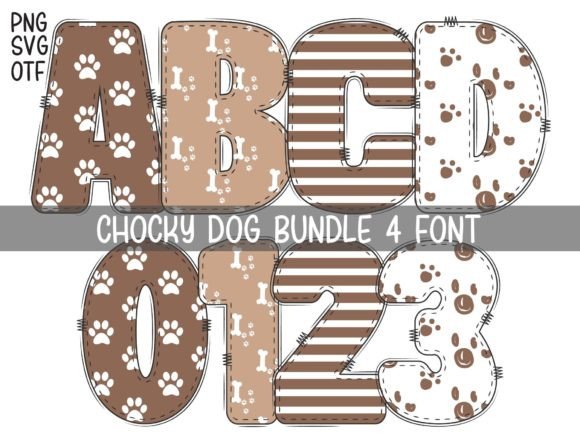
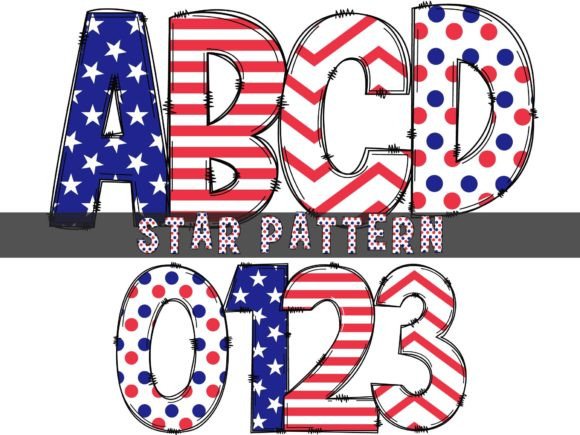
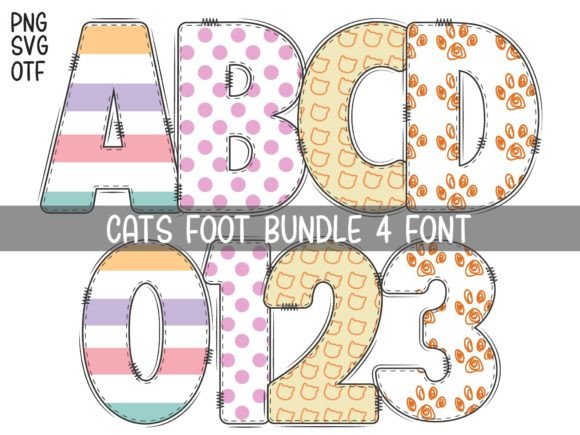
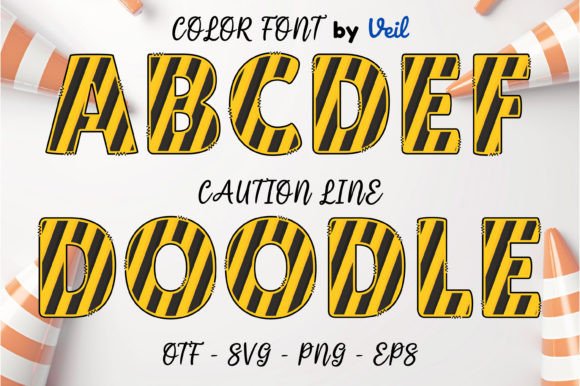
At its core, the Caution Line font is a display typeface, meaning it’s crafted to make an impact at larger sizes. Its letterforms often feature subtle irregularities, fluid lines, or a handwritten quality that avoids the sterility of machine-made text. This isn't a font for writing lengthy paragraphs of body copy; it’s for headlines, logos, and moments where you want the typography itself to be a focal point. The design balances a sense of spontaneity with enough structure to remain legible and professional. This combination is key—it feels artistic and approachable without sacrificing clarity, a crucial balance for effective visual communication.
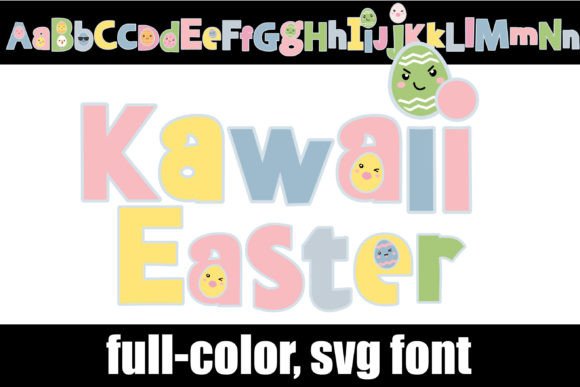
One of its most practical features is its versatility in different formats. The standard black version of this font is built for broad compatibility, working seamlessly with popular cutting machine software like Cricut Design Space. This makes it a fantastic asset for crafters and small business owners creating physical products. However, it’s important to note the capabilities of the color version. This enhanced edition, which allows for multi-colored letterforms, is designed for use in advanced graphic design programs such as Adobe Photoshop, Illustrator, Silhouette Studio, and Inkscape. The color OTF and TTF files are not compatible with Cricut, a key detail for planning your workflow. For those new to using stylistic fonts, consulting a comprehensive font guide is a smart first step to unlock its full potential.
Where This Creative Font Truly Shines
The real value of a font like this is realized in its application across diverse projects. Its playful yet confident style makes it incredibly adaptable. Think about a children’s book cover where the title needs to leap off the page, or a set of wedding invitations that should feel joyful and unique. This typeface delivers that effect. For small businesses and entrepreneurs, it can become a cornerstone of a brand identity. Imagine a bakery logo that feels homemade and welcoming, or a boutique's packaging that communicates style and care. The font does the heavy lifting, setting the emotional tone before a customer even reads the words.
Its utility extends powerfully into the digital realm. For social media graphics, where capturing attention in a fraction of a second is paramount, a bold and distinctive display font is invaluable. It can make an Instagram story, a Facebook ad, or a Pinterest pin stand out in a crowded feed. Similarly, on a website or blog, it can be used for key headlines and calls-to-action, guiding the visitor’s eye and reinforcing the site's aesthetic. For content creators and marketers, this translates to higher engagement and a more memorable brand presentation. It’s also a perfect fit for designing merchandise, from t-shirts to tote bags, and for creating eye-catching posters and editorial layouts in magazines or lookbooks.
Making It Work for Your Brand and Projects
Choosing the right font is only half the battle; using it effectively is what creates a professional result. Start by considering the personality of your project. Is it whimsical, sophisticated, energetic, or serene? Let that guide your font selection. Once you’ve chosen a typeface like Caution Line, the next critical step is font pairing. A highly decorative display font rarely works well on its own for all text. The smartest approach is to pair it with a simple, clean sans-serif or a classic serif font. For example, use your artistic display font for a main headline, and then set supporting text or body copy in a font like Open Sans or Lora. This creates hierarchy, improves overall readability, and lets the display font make its statement without overwhelming the viewer.
Always test your typography in context. Mock up your logo on a business card, place your headline on a sample social media post, or print out a section of your invitation design. Check the legibility at the intended size and consider how it looks in both color and black-and-white. Furthermore, if you plan to use the font for commercial purposes—like on products you sell or in client work—it’s essential to review the included licensing. Most premium fonts come with a license that covers a wide range of uses, but it’s your responsibility to ensure your intended application is covered. This due diligence protects your business and respects the work of the font’s creator.
In the end, a typeface is more than a design asset; it’s a voice. Selecting a creative font with clear personality and understanding how to apply it strategically can elevate your projects from ordinary to exceptional. It strengthens your brand recognition, enhances visual consistency, and creates a more engaging experience for your audience. By thoughtfully integrating a typeface like this into your toolkit, you give your ideas a powerful and expressive form.