Why the Seashore Typeface Captures a Whimsical, Artistic Spirit
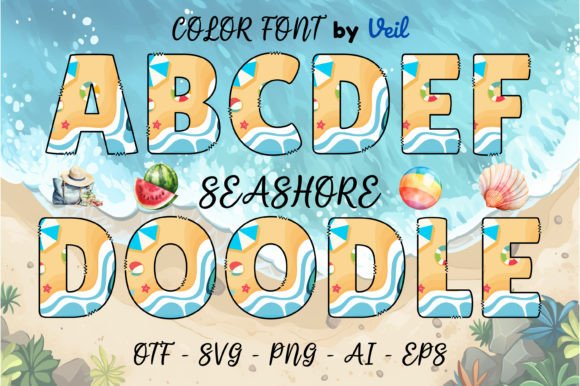
Imagine a font that feels like a sunny afternoon at the beach—lighthearted, vibrant, and full of personality. That’s the essence of the Seashore typeface. It’s not just another collection of letters; it’s a design asset that injects a playful, artistic energy into any project it touches. For creators who want to move beyond sterile, corporate typography and connect with audiences on a more joyful level, Seashore offers a refreshing solution. Its carefully crafted curves and slightly irregular forms mimic the organic, hand-drawn quality of a craftsman’s touch, making it an ideal choice when you need your visuals to feel approachable, creative, and genuinely fun.
A Font with a Distinct Personality
What immediately sets Seashore apart is its unmistakable character. Unlike neutral sans-serifs or classic serifs, this is a display font designed to make a statement. Its visual appeal lies in its balanced whimsy—it’s playful without being childish, and artistic without sacrificing clarity. The letterforms often feature subtle variations in weight and baseline, which prevent the text from looking rigid or mechanical. This human touch is invaluable for projects that aim to tell a story or evoke a specific mood. Whether you’re designing a logo for a children’s boutique, creating social media graphics for a bakery, or laying out a poster for a community festival, Seashore’s vibe instantly communicates creativity and warmth. It’s a typeface that doesn’t just present information; it sets a tone.
Practical Applications Across Creative Projects
The true test of a creative font is its versatility. Seashore shines in a variety of real-world applications where a touch of personality is needed. In logo design, it can become the cornerstone of a brand identity for businesses targeting families, artists, or the wellness sector. Think of a local pottery studio, a children’s book author, or an organic juice bar—Seashore helps these brands stand out with an authentic, handcrafted feel.
For packaging design, it’s a game-changer. Imagine product labels for artisanal goods, snack packaging for a kids’ brand, or cosmetics with a playful aesthetic. The font’s readability at various sizes ensures that key information remains clear, while its style enhances the shelf appeal. Similarly, in editorial design and print materials, Seashore can be used for chapter titles in books, headlines in magazines, or featured quotes on posters, breaking up the monotony of standard body text and drawing the reader’s eye.
Digital spaces are equally receptive. Social media graphics thrive on personality, and using Seashore for Instagram quotes, YouTube thumbnails, or Facebook event headers can significantly boost engagement. It’s also a fantastic choice for blog headers and section titles, adding visual interest that keeps readers scrolling. For web design, while it’s best used for headlines or banners rather than long paragraphs, it can define the entire mood of a homepage or a landing page for a creative service.
Enhancing Your Brand and Visual Communication
Choosing the right typography is a strategic decision that impacts brand recognition and audience perception. A font like Seashore contributes to visual consistency by providing a unique visual anchor. When used thoughtfully across your website, marketing materials, and social media, it helps build a cohesive and memorable brand identity. This consistency fosters trust and makes your business instantly recognizable in a crowded marketplace.
Furthermore, the right display font improves professional presentation. It shows that you’ve put thought into every detail of your visual communication, which reflects well on your brand’s overall quality. While Seashore is inherently fun, using it strategically—for example, paired with a clean sans-serif for body text—can create a sophisticated yet approachable balance. This thoughtful pairing ensures readability isn’t sacrificed for style. The goal is to use Seashore where its personality can shine—typically in headings, logos, and calls-to-action—while relying on a more neutral font for longer blocks of text.
Tips for Integrating Seashore into Your Workflow
Ready to experiment? Here’s some practical advice for making the most of this premium font. First, always consider your project’s core goal. Is it to entertain, inform, or persuade? Seashore is perfect for projects leaning toward entertainment and creativity. Next, test font pairings rigorously. Try combining it with a simple geometric sans serif or a modern serif to see what creates the most pleasing and legible contrast. Many designers find that a high-contrast pairing allows the display font’s unique traits to pop without overwhelming the design.
Pay close attention to readability considerations. Always view your design at the intended size and on the target medium (screen or print). Ensure that letter spacing and line height are adjusted so the text is comfortable to read, especially for smaller applications like subtitles or captions. Take advantage of the font’s included styles—many display fonts come with alternate characters, ligatures, or stylistic sets that can add further customization and flair to your work.
Finally, be mindful of licensing. If you’re using Seashore for a commercial project—such as client work, merchandise for sale, or marketing materials for a business—ensure you have the appropriate commercial font license. This protects both you and the font designer and is a professional standard in the industry. By thoughtfully integrating a character-rich typeface like Seashore, you’re not just choosing letters; you’re choosing a voice for your visual story that resonates with warmth, creativity, and undeniable charm.