Apple Alphabet: A Playful Font for Creative Projects
Let's be honest—finding a font that's both fun and functional can feel like searching for a needle in a haystack. You need something that catches the eye, conveys personality, and still works across a dozen different applications without losing its charm. That's exactly where Apple Alphabet enters the picture. It's a creative font with a colorful, cartoon-inspired energy that doesn't sacrifice versatility. Whether you're designing a children's birthday invitation, building a playful brand identity, or crafting social media posts that actually stop the scroll, this typeface brings a distinct warmth and character that many premium fonts simply can't match.
What Makes This Typeface Stand Out
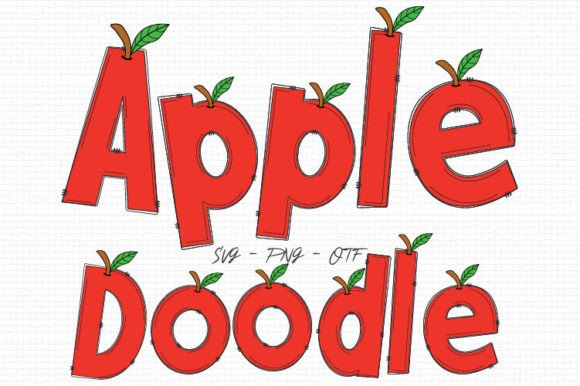
Apple Alphabet isn't just another display font sitting in your collection gathering digital dust. Its visual personality strikes a balance between whimsy and clarity—letters are rounded, approachable, and carry a hand-drawn quality that feels inviting without being sloppy. The color font element adds another layer of depth, giving each character a vibrant, multi-toned appearance that works beautifully in contexts where traditional monochrome typefaces fall flat.
Think about the last time a piece of packaging or a social media graphic genuinely made you smile. Chances are, the typography played a bigger role than you realized. Fonts carry emotional weight. A stiff, corporate serif font tells one story; a playful, colorful typeface tells another entirely. Apple Alphabet sits firmly in the second camp, making it an ideal choice for projects that need to communicate joy, creativity, and approachability.
Where This Font Truly Shines
Practical application matters more than theory, so let's talk about where Apple Alphabet actually works in real-world design scenarios.
Branding and Logo Design: If you're building a brand aimed at families, children, or creative audiences, this font can anchor your visual identity. Think about kids' clothing lines, toy shops, daycare centers, craft supply stores, or family-friendly cafés. A logo set in Apple Alphabet immediately signals that your brand is welcoming and fun. Pair it with a clean sans serif font for body text, and you've got a brand identity that feels cohesive without being monotonous.
Packaging Design: Shelf presence matters. Whether you're designing labels for a small-batch candy company or packaging for a children's educational product, a colorful, playful typeface helps your product stand out among competitors using generic fonts. Apple Alphabet gives packaging a handcrafted, premium feel that suggests thoughtfulness and care went into the product itself.
Social Media Graphics: Platforms like Instagram and TikTok reward content that grabs attention instantly. Bold, colorful typography does exactly that. Use Apple Alphabet for quote graphics, promotional announcements, sale banners, or story highlights. The font's inherent energy makes static images feel dynamic, which is invaluable when you're competing against video content for attention.
Digital Products and Marketing Assets: Selling printable worksheets, children's activity books, or educational PDFs? This typeface makes digital products feel polished and intentional. It also works well for email headers, lead magnet covers, and course branding—anywhere you want to inject personality into marketing materials without looking unprofessional.
Invitations and Print Materials: Birthday parties, baby showers, school events, community fairs—these occasions call for typography that feels celebratory. Apple Alphabet handles invitations, flyers, and posters with ease, delivering that handmade aesthetic people love without requiring actual hand-lettering skills.
Merchandise and Editorial Layouts: Tote bags, stickers, mugs, t-shirts—merchandise benefits enormously from fonts with strong visual personality. Similarly, editorial layouts for magazines, blogs, or newsletters targeting creative or family-oriented audiences can use this typeface for headlines and pull quotes to maintain reader engagement.
Matching Typography to Your Project Goals
Here's something experienced designers know that beginners often overlook: a font isn't good or bad in isolation. It's good or bad for a specific purpose. Apple Alphabet is exceptional for projects that need playfulness, color, and approachability. It's not the right choice for a law firm's annual report or a luxury watch brand's catalog—and that's perfectly fine. No single typeface does everything.
Before choosing any font, ask yourself three questions:
- Who is my audience? If your audience includes children, parents, educators, or creative professionals, a playful display font like this one resonates naturally.
- What emotion should this design evoke? Joy, warmth, creativity, and friendliness are where Apple Alphabet excels.
- Where will this design appear? Consider whether the font needs to work at small sizes (like on a business card) or only at larger sizes (like on a poster). Display fonts typically perform best at larger scales.
Getting these answers clear before you start designing saves hours of revision later.
Font Pairing and Readability Considerations
One of the most practical skills in modern typography is knowing how to pair fonts. Apple Alphabet works best as a headline or accent font—its colorful, decorative nature makes it a strong visual anchor but less suited for long paragraphs of body text. Pair it with a straightforward sans serif font for supporting copy. Something clean and neutral gives the eye a rest while letting the playful typeface remain the star of the show.
For example, imagine a children's bookstore website. The store name and section headers use Apple Alphabet, while product descriptions and navigation menus use a simple sans serif. The result feels cohesive, professional, and unmistakably on-brand.
Readability always comes first, no matter how beautiful a font looks. Test your designs at multiple sizes and on different screens before finalizing anything. What looks gorgeous on a 27-inch monitor might become illegible on a smartphone screen. Print a test copy if the design will live in physical form—colors and proportions shift between screen and paper.
Licensing and Practical Details
Before incorporating any creative font into commercial work, verify the licensing terms. Most premium fonts come with clear commercial licenses, but the specifics vary. Can you use it on merchandise for sale? Is it cleared for digital products like printable PDFs? Does the license cover social media advertising? These aren't exciting questions, but they protect you legally and financially.
Also, check what font styles and weights are included. Some typefaces come with multiple variations—bold, italic, condensed—that expand your design options significantly. Knowing exactly what's in your toolkit before you begin a project prevents mid-design frustration when you realize a weight you assumed existed actually doesn't.
Bringing It All Together
Typography shapes perception faster than almost any other design element. Within milliseconds of seeing a headline, your audience has already formed an impression about what kind of brand or message they're encountering. Apple Alphabet makes that impression a positive one for projects rooted in creativity, warmth, and playfulness.
The real value of a font like this isn't just aesthetic—it's strategic. Consistent use of a distinctive typeface across your brand touchpoints builds recognition. People start associating that specific visual style with your business, your content, your products. Over time, that recognition becomes trust, and trust becomes loyalty.
So whether you're a small business owner refreshing your packaging, a content creator building a cohesive visual brand, or a designer working on a client project that calls for something vibrant and memorable, Apple Alphabet deserves a spot in your design assets collection. Use it thoughtfully, pair it wisely, and let its personality do what it does best—make your designs feel genuinely alive.