Melon: The Playful Display Font for Creative Projects
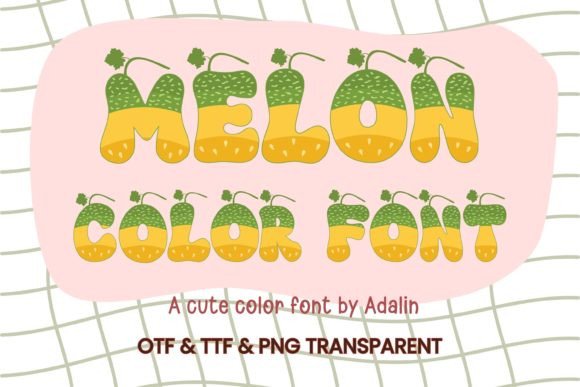
There’s something undeniably cheerful about a color or a shape that just feels like summer. That’s the immediate vibe you get from the Melon font—it’s a burst of fun and optimism designed to make your work stand out. If you have been scrolling through endless lists of serious serif fonts or rigid sans serif typefaces looking for something with a bit more personality, you have likely found your match here. Melon is not just another set of letters; it is a visual statement that brings warmth and character to everything it touches, making it a fantastic choice for anyone looking to inject some life into their branding or merchandise.
A Typeface That Captures Attention
What sets this typeface apart in a crowded market of design assets is its ability to balance playfulness with readability. Many decorative fonts sacrifice legibility for style, leaving designers frustrated when trying to create logos or headers. Melon, however, manages to be a "fun and cheerful color font" while maintaining the structural integrity needed for professional applications. Its rounded edges and vibrant aesthetic make it an excellent choice for projects that need to communicate approachability and joy. Whether you are designing a logo for a new bakery, creating a header for a lifestyle blog, or mocking up packaging for a skincare line, the visual weight of Melon commands attention without being aggressive.
When we talk about modern typography, we often focus on minimalism and stark geometric shapes. While those trends have their place, there is a growing demand for designs that feel more human and connected. This is where a premium font like Melon shines. It breaks away from the cold, corporate look and offers a warm handshake to the viewer. For small business owners and entrepreneurs, this is invaluable. You want your customers to feel welcomed and excited the moment they see your brand, and choosing the right typeface is the first step in that emotional connection.
Practical Applications: From Screen to Print
One of the strongest features of this design asset is its versatility across different media. It is marketed as looking fantastic on "t-shirt designs, mugs, crafts, cards, stickers, and more," and that is a promise it delivers on. However, its utility goes far beyond physical merchandise. Let’s break down how you can practically apply this font across your various projects to ensure visual consistency and brand recognition.
- Digital Products and Social Media: In the fast-paced world of social media graphics, you have about three seconds to stop the scroll. A display font like Melon is perfect for Instagram stories, Pinterest pins, and YouTube thumbnails. Its bold personality ensures that your text is readable even on small mobile screens. For content creators and digital marketers, using a distinct typeface helps build a recognizable aesthetic that followers will associate with your content.
- Packaging and Merchandise: If you are selling physical goods, the unboxing experience is part of your product. Using Melon on your packaging design can set a specific mood—perhaps one of whimsy or retro nostalgia. Imagine this font on a label for a summer beverage or on a tote bag; it instantly elevates the product from a generic item to a curated piece of design.
- Invitations and Editorial Layouts: For those in the stationery business or working on editorial design, Melon serves as a fantastic headline font. It pairs beautifully with clean sans serif fonts for body text, creating a hierarchy that guides the reader's eye naturally. It is ideal for wedding invitations with a casual theme, birthday cards, or magazine headers that need a pop of color and personality.
Strategic Typography: Improving Your Brand Identity
Choosing a font is rarely just about what looks "pretty." It is a strategic decision that impacts your brand identity and audience engagement. A font like Melon communicates specific values: creativity, openness, and a lack of rigidity. If your brand targets a younger demographic or focuses on lifestyle, beauty, or food industries, this typeface aligns perfectly with those market expectations.
Furthermore, readability considerations should always be at the forefront of your mind. While Melon is a display font meant for headers and titles, its clarity is a major selling point. When you pair it correctly with a legible body font, such as a standard sans serif or a simple serif font, you create a balanced layout. This balance is crucial for professional presentation. You don't want your audience struggling to decipher your message because the font style is too chaotic. Melon strikes that sweet spot—it has enough flair to be interesting but enough structure to be functional.
Pairing and Testing for Maximum Impact
Even the best creative font can look out of place if it isn't paired thoughtfully. A common mistake in design is using two competing display fonts that fight for the viewer's attention. Since Melon is a bold statement piece, it requires a quieter partner. Think of it as the lead singer of a band; it needs a steady rhythm section to support it.
Try pairing Melon with a clean, geometric sans serif font for your body copy. The contrast between the playful, perhaps slightly handwritten or irregular style of Melon and the rigid structure of a sans serif will make your headlines pop even more. Alternatively, if you are going for a retro vibe, you might experiment with a vintage serif font, though you should test this carefully to ensure the aesthetics don't clash.
Always test your font pairings in the context of your actual project. Don't just look at the letters "Aa Bb" on a white background. Place the text over your intended imagery. If you are working on a web design project, see how the font renders against your background colors. If it’s for print, do a test print to check the ink absorption and how the curves of the letters hold up on different paper stocks. This attention to detail separates amateur work from professional design.
Licensing and Commercial Use
Before you finalize your designs, it is always prudent to review the licensing terms associated with your design assets. Most premium fonts come with a commercial license that allows you to use them in projects for profit—such as selling t-shirts or using them in client work—but the specifics can vary. Ensure you understand the scope of the license for the Melon font. Can you use it on unlimited merchandise? Is it allowed for use in software or apps? Checking these details upfront protects you legally and ensures you can use the font freely as your business grows.
In the end, Melon is more than just a tool; it is a mood enhancer for your designs. It brings a specific energy that resonates with audiences looking for positivity and creativity. By integrating this typeface into your toolkit, you are equipping yourself with a versatile asset capable of transforming standard layouts into memorable visual experiences. Whether you are crafting a logo, designing a mug, or building a brand from the ground up, this font offers the perfect blend of style and substance to help you achieve your creative vision.