Faceback: The SVG Brush Font for Bold Branding
You know that feeling when a design looks technically correct but just doesn't have any teeth? The layout is balanced, the colors work, but it lacks a certain raw energy that makes you stop scrolling. This is often where typography makes or breaks a project. While clean sans-serifs have their place, sometimes a design demands something with grit, texture, and a human touch. Enter Faceback, a unique SVG font that brings an authentic, hand-brushed aesthetic to the digital canvas. It's not just another typeface; it's a tool for injecting personality and an urban edge into your work.
More Than Just a Pretty Face
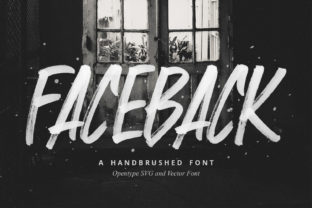
So, what exactly is an SVG font, and why should it matter to you? Think of traditional fonts as clean vector outlines. An SVG font, or color font, is different. It contains actual image data within the font file itself. In the case of Faceback, this means each letter is rendered with the nuanced, textured strokes of a real brush, complete with subtle variations in opacity and thickness. The result is a level of sharp accuracy and realism that standard vector fonts simply can't replicate. When you type with Faceback, you're not getting a sterile shape; you're getting a piece of authentic, handcrafted lettering.
This inherent texture is what makes it such a powerful design asset. The rough, brushed style immediately communicates a sense of craftsmanship, energy, and urban influence. It’s perfect for projects that need to feel dynamic, edgy, or grounded in street culture. The visual weight and detail of the characters command attention, making it an ideal display font for headlines, logos, and any application where you need to make a strong first impression.
Where Grit Meets Strategy: Real-World Applications
A font's true value is in its application. Faceback's visual characteristics open up a world of creative possibilities, particularly for designers, entrepreneurs, and creators aiming for a specific brand identity. Let's break down where this creative font truly shines.
Building an Unforgettable Brand Identity
For a brand, consistency is key, but so is personality. If your brand's voice is bold, rebellious, or artisanal, Faceback can become a cornerstone of your brand identity. Imagine it on the logo for a craft brewery, a streetwear label, or a specialty coffee roaster. The textured lettering instantly tells a story of quality and character. It helps build brand recognition because the font itself is so distinctive. When customers see that brushstroke style across your packaging, website, and social media, they immediately associate it with your brand's unique energy.
Commanding Attention in Print and Digital
From packaging design to poster design, Faceback excels at grabbing eyeballs. On a product label, it can convey a sense of handmade authenticity. On a concert poster or event flyer, it screams energy and excitement. In editorial design, it can be used for striking pull quotes or feature article titles in a magazine, adding a layer of visual interest that breaks up monotonous text layouts.
In the digital realm, its impact is just as potent. Use it for: * Social media graphics to create scroll-stopping posts and stories. * Website headers to immediately set a bold tone for a landing page. * Blog post titles to make your content stand out in a crowded feed. * Digital product covers, like e-books or online course graphics, to add a premium, polished feel.
From Merch to Marketing Materials
The applications extend to tangible goods and marketing collateral. Think about t-shirts, hats, and tote bags—the brushed texture translates beautifully to merchandise. For marketing assets like event banners, business cards, or email newsletter headers, Faceback adds a dose of personality that a standard sans serif font or serif font can't provide. Even for personal projects like invitations or greeting cards, it brings a dynamic, artistic flair.
Making It Work: Practical Typography Advice
Finding a great font is the first step. Knowing how to use it effectively is what separates good design from great design. Here’s how to integrate a powerful display font like Faceback into your projects without overwhelming your audience.
Pairing for Balance: The most important rule with a highly stylized font is to let it be the star. Don't pair it with another loud, decorative font. Instead, opt for a clean, neutral companion. A simple sans serif font like Montserrat, Lato, or even a system font like Arial for body text creates a perfect contrast. This ensures your headlines pop with Faceback's energy while your longer text remains highly readable. The pairing creates a professional hierarchy that guides the viewer's eye.
Readability is Paramount: Because of its detailed texture, Faceback is designed for impact, not for long paragraphs. Use it for short, powerful statements: headlines, subheadings, logos, and calls to action. For body copy, always choose a font optimized for readability at smaller sizes. Testing your font choices on different screens and in print is a non-negotiable step in the design process.
Understand the Format: As a premium color font, Faceback comes in an Opentype-SVG format. This is crucial to know for your workflow. It is fully compatible with major design software like Adobe Photoshop, Adobe Illustrator, Silhouette, and Inkscape. However, it's important to note that the OTF and TTF files are not compatible with cutting machines like Cricut. Always check the licensing and compatibility details before purchasing any commercial font to ensure it fits your project's technical needs. For a deeper dive, the Ultimate Font Guide is an excellent resource for understanding how to work with modern font formats.
Ultimately, a typeface like Faceback is more than just a set of characters; it's a design tool that communicates mood and style instantly. By understanding its strengths and applying it thoughtfully, you can elevate your projects, strengthen your brand's visual language, and create work that truly resonates.