Spider Web Font: A Unique Texture for Creative Projects
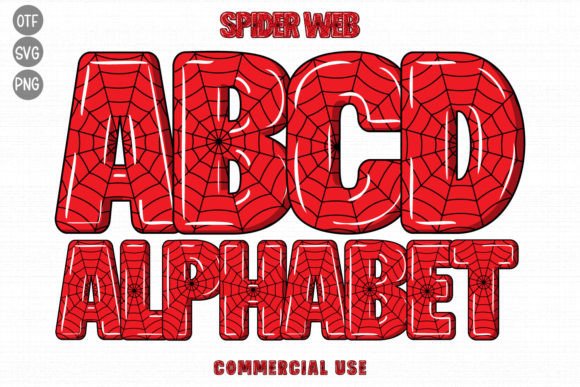
There’s a moment in every design project where you need something that feels both organic and intentional—a typeface that doesn’t just sit on the surface but becomes part of the visual story. Spider Web is one of those rare finds: a color font with a delicate, intricate texture inspired by actual spider webs. It’s not just another decorative option; it’s a design asset that brings a tactile, natural quality to your work, whether you’re crafting a brand identity, designing packaging, or creating engaging social media content.
A Typeface That Feels Alive
What sets Spider Web apart is its built-in skin texture. Unlike standard fonts where color and texture are applied separately, this typeface integrates a subtle, web-like pattern directly into each letterform. The result is a font that appears almost woven—light, airy, and full of visual depth. It’s a premium font that doesn’t just display text; it creates atmosphere.
The texture is nuanced enough to be professional but distinctive enough to stand out. Imagine using it for a nature-themed blog header, a children’s book title, or even a boutique skincare label. The organic feel makes it versatile across themes—from whimsical and playful to elegant and earthy. It bridges the gap between a display font and a creative font, giving you flexibility without sacrificing personality.
Where Spider Web Truly Shines
Let’s talk practical applications. This isn’t a font you’ll use for body copy or lengthy paragraphs—it’s a typeface designed for impact. Think of it as your secret weapon for headlines, logos, and key visual elements where you want to capture attention and set a mood.
- Branding & Logo Design: For businesses in eco-friendly products, outdoor education, artisanal goods, or children’s crafts, Spider Web can anchor a brand’s visual identity with a texture that feels authentic and memorable.
- Packaging Design: Use it on product labels, boxes, or tags to add a handcrafted touch. It works beautifully for organic foods, botanicals, or nature-inspired merchandise.
- Social Media Graphics: Create scroll-stopping posts, stories, or video thumbnails. The texture adds dimension without overwhelming your layout.
- Websites & Blogs: Perfect for hero sections, event announcements, or featured article titles where you want to make a strong first impression.
- Print Materials: From posters and flyers to invitations and greeting cards, Spider Web lends a tactile quality that elevates physical designs.
- Editorial Layouts: Use it in magazines, lookbooks, or digital publications for section headers or pull quotes that need visual interest.
- Merchandise & Digital Products: Apply it to T-shirts, tote bags, stickers, or digital downloads like planners, worksheets, or printable art.
The key is to use it strategically. Because of its textured nature, it performs best at larger sizes where the web detail can be appreciated without compromising clarity.
Enhancing Your Visual Strategy
A thoughtfully chosen font does more than look good—it strengthens your entire design system. Spider Web can contribute to visual consistency across platforms by giving your brand a recognizable typographic signature. When used consistently in your marketing assets, it helps build brand recognition and creates a cohesive experience for your audience.
That said, readability should always guide your decisions. A textured font like this isn’t meant for small body text, but when paired with a clean sans serif font or a simple serif font for supporting copy, it creates a balanced hierarchy. The contrast between the intricate headline and the minimal body text actually improves overall legibility and visual flow.
For professional presentation, consider how the texture aligns with your project’s goals. Is your brand playful? Earthy? Sophisticated? Spider Web adapts to these moods depending on the colors you pair with it and the context in which it’s used. It’s a font that invites experimentation—try it in different hues, layer it with subtle backgrounds, or use it in monochrome for a more understated effect.
Practical Tips for Working with Spider Web
If you’re new to textured or color fonts, here are a few things to keep in mind as you integrate Spider Web into your workflow:
- Test Font Pairings Early: Before committing, pair Spider Web with potential body fonts. A simple modern typography option like a geometric sans serif often works well, letting the texture shine without competing for attention.
- Consider the Color Palette: Since this is a color font, think about how its built-in tones interact with your design’s color scheme. It may come in multiple color variations—explore what fits best.
- Review the Included Styles: Many premium fonts include alternates, ligatures, or stylistic sets. Check what’s available—sometimes a subtle alternate can make a big difference in customizing the look.
- Mind the Scale: Use it at sizes where the texture is clear but not pixelated. It’s ideal for headlines, titles, and short phrases rather than small captions.
- Check Licensing for Commercial Use: If you’re using Spider Web for client work, merchandise, or products for sale, ensure you have the appropriate commercial font license. This protects both you and your clients.
One of the joys of working with a font like this is seeing how it transforms a basic layout into something with character. A simple poster becomes more engaging. A social media graphic gains depth. A brand identity feels more considered. It’s these small details that often make the biggest difference in how your work is perceived.
Why Texture Matters in Modern Design
We live in a visual world where audiences crave authenticity and sensory experience—even in digital spaces. Texture in typography taps into that desire. It evokes a feeling, tells a story, and adds a layer of craftsmanship that flat, sterile fonts sometimes lack.
Spider Web taps into a natural aesthetic that resonates with themes of connectivity, intricacy, and the environment. It’s not just a decorative font; it’s a conversation starter. For small business owners, content creators, and designers, it offers a way to differentiate your projects without relying on complex illustrations or expensive custom artwork.
Think about your audience. If you’re targeting parents, educators, eco-conscious consumers, or creative enthusiasts, a font with an organic texture can make your message feel more relatable and genuine. It’s a subtle but powerful way to connect visually.
Ultimately, the best fonts are the ones that serve your project’s purpose while leaving room for creative expression. Spider Web does exactly that—it’s a tool that invites you to play, experiment, and elevate your designs with a touch of natural elegance. Whether you’re building a brand from scratch or refreshing an existing one, it’s worth exploring how this unique typeface can fit into your creative toolkit.