Summer Beach Watermelon: A Fresh Font for Creative Projects
There’s something about the combination of summer, the beach, and a slice of cold watermelon that instantly conjures feelings of joy and relaxation. Capturing that vibrant, carefree energy in a design project can be a challenge, but the right typography can do the heavy lifting for you. The Summer Beach Watermelon Color Font is designed to do exactly that, offering a playful, handwritten style infused with the refreshing spirit of the season.
Visual Appeal and Design Characteristics
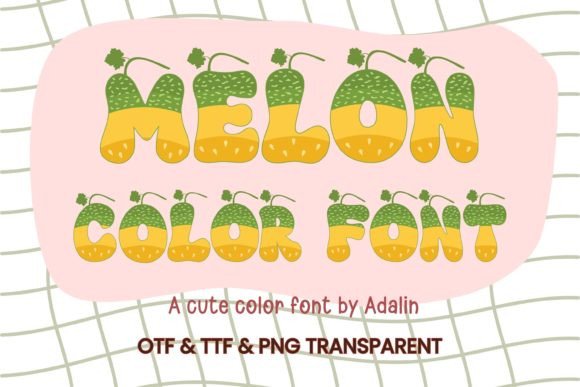
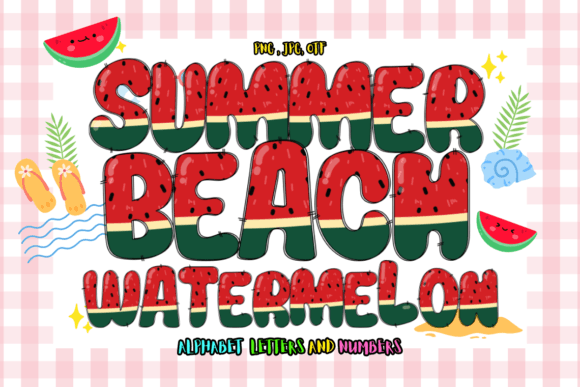
This is more than just a standard script font. As a color font (specifically an OpenType-SVG typeface), it brings a unique visual dimension to your work. Each letterform is designed with vibrant, multi-colored hues that mimic the look of a watermelon slice, complete with playful greens and pinks. The handwritten style adds a personal, approachable feel, making it ideal for projects that need to feel friendly and inviting. It’s a premium font that stands out in a sea of standard black-and-white typography, offering an immediate visual pop that’s hard to ignore.
Its personality is unmistakable: fun, energetic, and summery. This makes it a fantastic display font for headlines, logos, or any text element that needs to grab attention. However, like any creative font with strong character, it’s important to consider its application carefully. Its decorative nature means it’s best used for short bursts of text rather than long paragraphs, where readability could become an issue. Pairing it with a clean sans serif font for body copy is a smart way to maintain balance and professionalism in your layouts.
Practical Applications for Designers and Entrepreneurs
So, where can you actually use a font like Summer Beach Watermelon? The possibilities are surprisingly broad, especially for anyone working in branding, marketing, or content creation. Its visual charm translates well across both digital and print mediums.
For branding and logo design, this font can be a game-changer for businesses with a fun, youthful, or seasonal focus. Imagine it used for a beachside café’s menu, a summer camp’s promotional materials, or a kids’ clothing line’s logo. It immediately communicates the brand’s personality and sets a specific mood. The key is ensuring the font aligns with the overall brand identity—it’s a perfect fit for brands that want to feel approachable and joyful.
In packaging design, particularly for food, beverage, or lifestyle products, this typeface can make a product stand out on the shelf. Think of labels for artisanal lemonade, summer-themed snack packaging, or even the branding for a summer subscription box. The colorful, handwritten aesthetic can convey a sense of homemade quality and fun.
For social media graphics, the font is a natural fit. It’s perfect for creating eye-catching Instagram Stories, Facebook posts, or Pinterest pins promoting summer sales, beach events, or seasonal recipes. Its vibrant colors and playful style are designed to stop the scroll and increase engagement, which is a key goal for any marketer or content creator.
Beyond the digital realm, it’s excellent for print materials and merchandise. Use it for event posters, summer party invitations, or wedding stationery with a casual, outdoor theme. It can also be applied to merchandise like t-shirts, tote bags, or mugs, adding a unique, handcrafted touch that customers love. For editorial design, it can bring life to magazine spreads, blog headers, or the cover of a digital product like an ebook or a recipe guide focused on summer entertaining.
Integrating the Font into Your Workflow
Adopting a new creative asset like this requires a bit of practical know-how. First, always check the licensing. While the article notes compatibility with Adobe Photoshop and Illustrator, always review the specific commercial license included with your purchase to ensure it covers your intended use, whether for personal projects or client work.
Next, consider font pairing. A font with this much personality works best when balanced with something more subdued. Try pairing it with a simple, geometric sans serif for a modern look, or with a classic serif for a more elegant, editorial feel. Testing different combinations in your design software before finalizing a project is crucial. You want the headline font to shine without competing with the supporting text.
Readability is another key consideration. Use the Summer Beach Watermelon font for titles, subheadings, or call-to-action text. Avoid setting entire paragraphs with it. Ensure there is enough contrast between the font color and the background, especially in digital formats where screens can vary. Its inherent colorfulness means it may need a solid, contrasting background to remain legible.
Finally, remember that this is a display font. Its primary role is to add visual interest and set a tone. For tasks requiring high legibility at small sizes, like detailed product descriptions or lengthy blog posts, you’ll want to rely on a more traditional typeface. The magic happens when you use Summer Beach Watermelon strategically to inject personality and seasonal flair into your designs.
Whether you’re a small business owner crafting your summer campaign, a designer building a brand identity, or a hobbyist creating invitations for a backyard barbecue, this font offers a unique tool to express creativity. It’s not just about the letters; it’s about the feeling they evoke—sunshine, laughter, and the sweet taste of summer. By understanding its strengths and best practices for use, you can make it a valuable part of your design toolkit, helping your projects resonate with audiences looking for that perfect seasonal vibe.